Analyzing book No. 2 of The Last Hours trilogy
“They forget that there are unimaginable forces that can bend the laws of the universe. The gods are walking, Malcolm, and none of us are prepared.”
Magnus Bane, 583
I HAVE TO WAIT HOW LONG FOR CHAIN OF THORNS?!
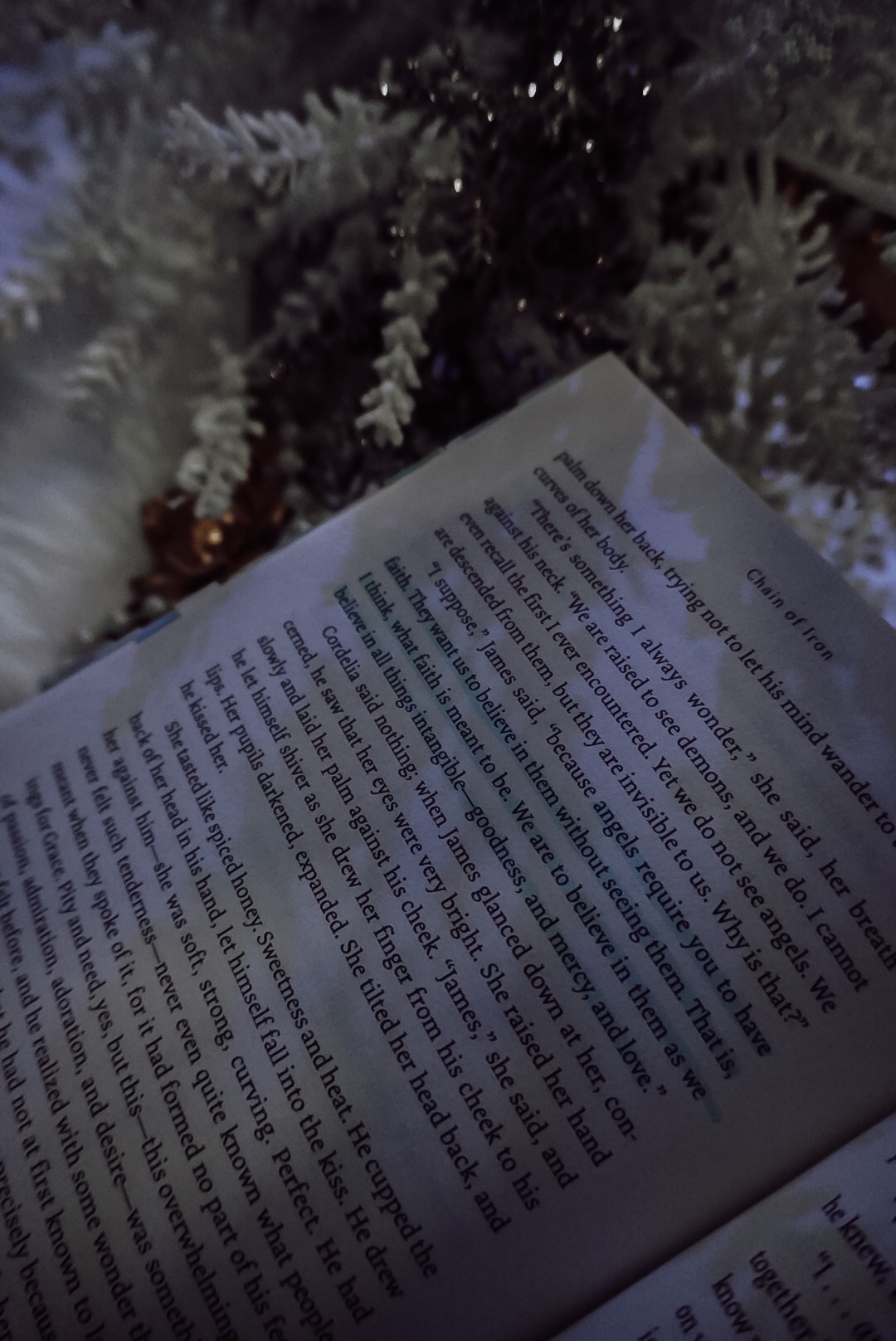
Chain of Iron is the second novel in Cassandra Clare’s The Last Hours trilogy, and, let me tell you, it tore me apart.
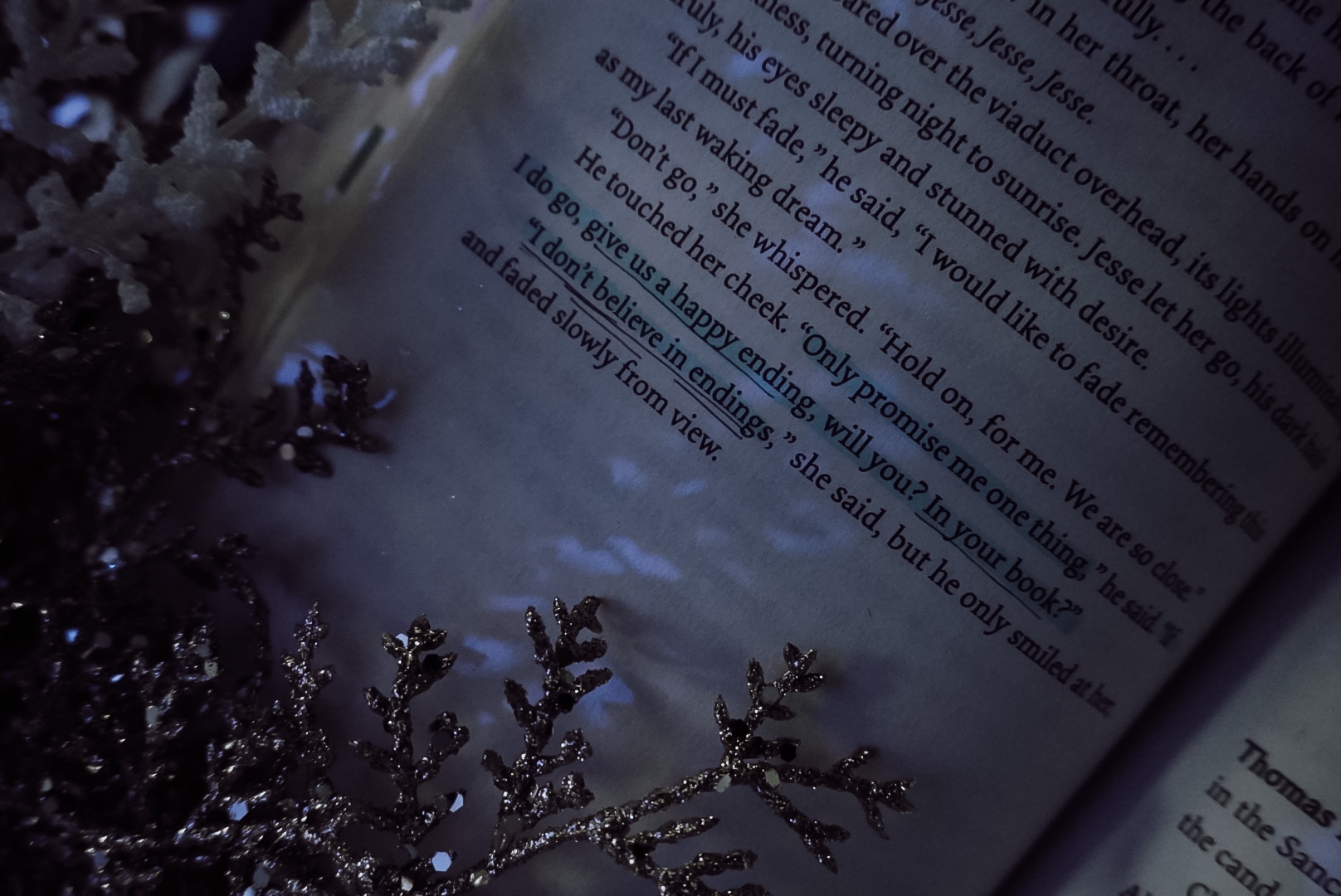
There’s a mariage blanc with unrequited love, that’s not really unrequited, but still feels like you’re burning at the stake, all while a serial killer is roaming the streets of London striking down Shadowhunters just as the sun begins to rise. Through necromantic adventures, dreadful losses, tricks and torment, and the darkness that resides within them; our group of Edwardian Nephilim are beginning to bend under the weight of all their secrets.
Loyalty keeps them silent; love keeps them alive.
Here are all my thoughts on Chain of Iron.
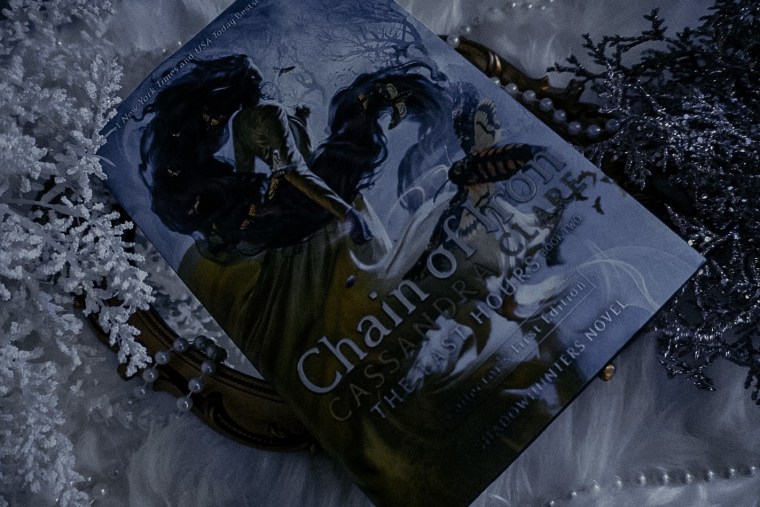
The Good and the Bad
A lot of the things that I enjoyed in Chain of Gold carried over to Chain of Iron — plot, themes, characters, etc. But I also think it sputtered in terms of writing and balance as Clare tried to pull in too many plot lines that she couldn’t invest the proper page time to.
I often wonder if Clare does this on purpose to create the tone of chaos as all these characters scramble to fulfill their own self-indulgent tasks while remaining a part of the overall mystery or if she shares the “too much” gene that plagues every moment of my life.
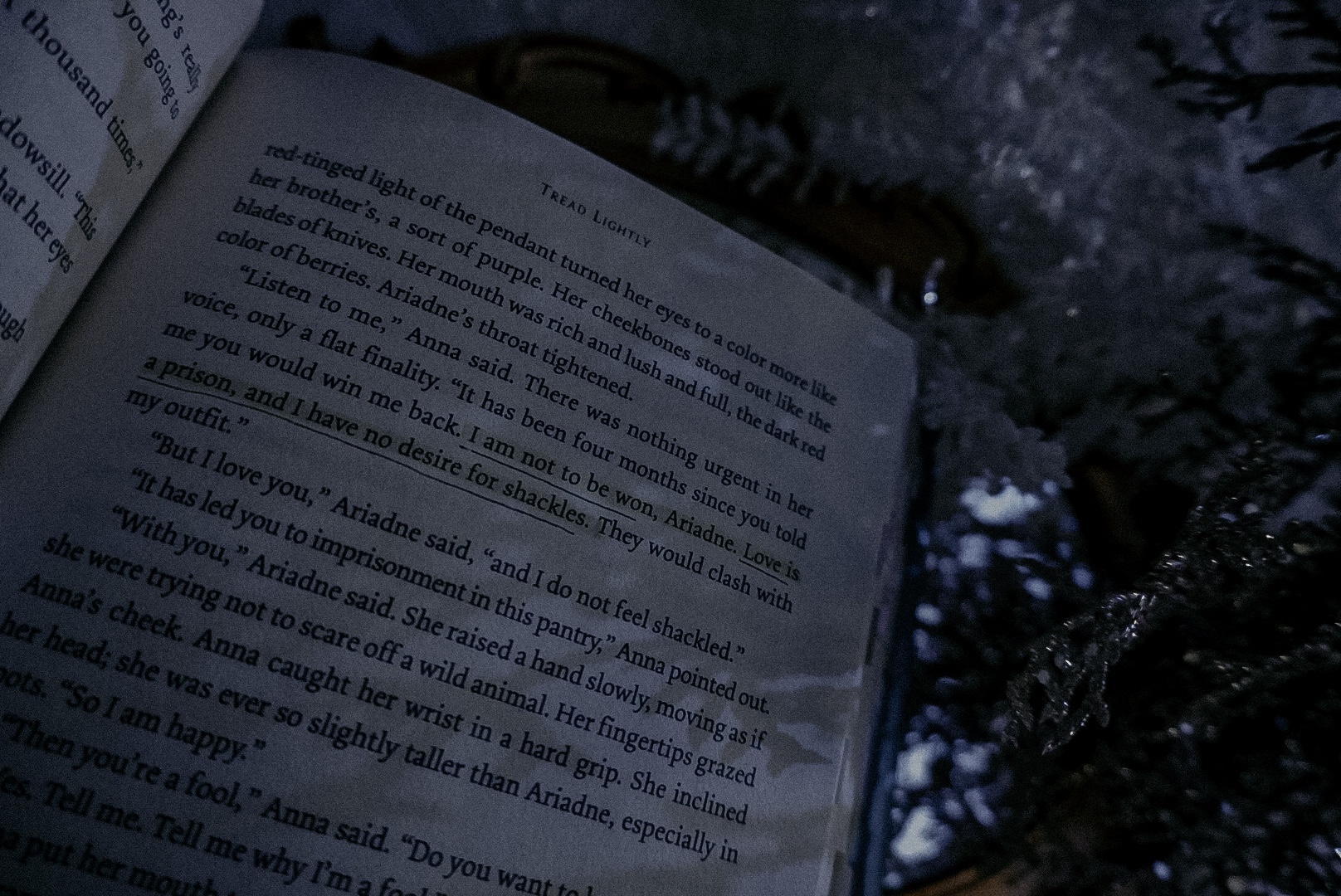
As much as I love Anna Lightwood, I can’t see how the subplot of Ariadne Bridgestock’s desperate attempts to win back her heart does anything for the overarching plot other than feeding into the theme of societal expectations influencing the lives of our protagonists.
I also hate to say this, but I would wipe out all of the Wessa scenes from this series. I love seeing Will and Tessa as parents, but I prefer it from the viewpoint of their children. It feels like pandering when Clare includes one scene per book from their POV. Either include more, or just drop them completely. They had their series to shine.
I don’t think the story would be hindered if we skipped the scene where Jessamine tells Wessa of Lucie’s ghost shenanigans and replaced it with the letter Lucie left for them. (Is Cassie trying to make a subplot out of Jessamine? Because I’m not about that.)
There’s just too much going on to divulge in fluff that doesn’t add to or move the story. Sorry, but definitely not sorry.
The thing that took the biggest hit in CoI was the pacing.
I’m coming to terms with the fact that middle books in a trilogy just start slow, but this was a crawl. James and Cordelia’s wedding was 103 pages, plus it takes 17 more pages for Clare to wind down that day with the couple in their new home. It was just so hard to get through and so much of it could’ve been reworked in a much quicker manner. It felt like Clare was trying to milk this wedding for everything she could.
I think Chain of Gold suffered the same pacing issues that The Lost Book of the White saw because of the domestication of James and Cordelia. A lot of page time was used to build the chemistry between these two protagonists, which is important but also undeniably slow. As adorable as it is to read about Jordelia playing chess and reading together, it definitely drags the story.
A necessary evil is still evil.
For me, the pacing didn’t truly pick up until Chapter 12 with the death of Elias. That’s when things start to unravel as James puts the pieces together of his dreams, Cordelia begins to step outside the box she was put into and the Merry Thieves get more invested in the mystery that has deeper personal ties.
Should a book take 270 to establish proper pacing? Probably not. Would I miss all the fluff and domestic angst from those 269 pages? Absolutely yes.
Do with that information as you will.
What didn’t take a hit was the plot and themes.
Somehow Clare managed to create a fantasy book where the mythical elements aren’t what move the plot forward, and it worked magnificently. Our characters are mainly bound by societal expectations and their own emotional pulls that both dabble in the supernatural but don’t overtake it.
(This is a really great Tumblr post about this topic!)
Many of our major plot points aren’t derived from the supernatural, but from the themes of class, wealth and privilege — e.g. James Herondale marries Cordelia Carstairs to save her reputation after she lies that he compromised her, Elias Carstairs and Matthew Fairchild’s alcoholism effects how they are perceived by both friends and family and society, Thomas Lightwood is treated much more fairly during his arrest than Elias in Idris because of his family’s standing in the Clave. (Honestly, just read that Tumblr post.)
This separation of the supernatural grounds the novel in believability. Don’t tell anybody, but I think I like TLH way more than TID, and it’s because of this foundation Clare has built.
Believability adds relatability, in my opinion, and relatability is extremely high on my rubric for rating a book. I want to be able to find myself in some sort of way in the pages.
While I related to Tessa Gray’s stubbornness in TID, the overall plot and the unrealistic (but disastrously beautiful) love triangle cuts the connection I made as the fantasy elements overtook the story. I don’t feel that same disconnect with Cordelia’s journey so far, mostly because it’s rooted in very real-world elements of self doubt, self reflection and self discovery, despite the supernatural influence.
Is it fair to judge a fantasy book for being too fantasy? Yes. Absolutely. But this is purely my opinion based on the world Clare created and has no merit in the actual rating of the book in terms of being good or bad. Just food for thought.
The supernatural elements of Chain of Iron are fascinating though. The serial killer storyline was thrilling, and I enjoyed the one-page views from the actual killer rather than solely through James’ visions. It cleared out the possibility of an unreliable narrator and allowed the mystery to shine.
I did figure out who the killer was about half-way through the book, but it was still fun to piece together the clues to prove my theory moving forward.
(If anybody’s wondering, the moment I knew it was Jesse Blackthorn was when Christopher Lightwood mentioned not being able to be possessed because of the Shadowhunter protection spells. I figured Tatiana was just paranoid enough not to do them right or at all. There was also a moment when Jesse told Lucie he could feel the wind these last few months with her, which is something the killer mentioned earlier.)
The introduction of Lilith was also badass and so surprising — and I loved the foreshadowing of her arrival with the decor of the Hell Ruelle and how her inclusion made sense to the story since Belial stole her realm. I thought that Lilith using Cordelia’s insecurities (guilt about marrying James, yearning to be a hero, etc.) to trick her into pledging herself as a paladin to the mother of demons was so clever. It also drives Daisy’s character development forward as she questions her position in the world after such a drastic mistake on her part.
On the other hand, I didn’t care much for the inclusion of Leviathan. I understand the connection between it and Belial, but it seemed more of just a distraction rather than an actual threat. Clare needed a way for James to not figure out the murders so quickly while also including her 700 side characters in the action. *yawn*
Everything comes to a head in the battle between Lilith, Belial, James and Cordelia.
It was so cool for everything to come together so perfectly in this game of mental chess that unfolds in this moment — Belial worked with Tatiana to preserve Jesse in case Tessa never had children, Lilith tricked Cordelia because she knew Cortana could wound Belial, she also took the form of Magnus Bane to use James to try to spy on Belial, Lucie stood between Cordelia and Jesse.
“In tricking Cordelia as she had, Lilith had turned what was beautiful about Cordelia’s nature back on itself — like a faerie who made the deepest desires of a mortal a weapon with which to hurt them.” (609)
My favorite part of this scene? When James called for his grandfather to throw him the revolver, so he can shoot Lilith — which only works because Christopher put the Shadowhunter protection spells on it, which is said in the names of the angels Sanvi, Sansanvi and Semangelaf who extracted a vow from Lilith not to harm the offspring of Adam and Eve.
“James stood straight as an arrow, his golden eyes blazing, his hand outstretched. He threw back his head and cried out, ‘I have come to bring fire on the earth!’” (550)
The words James shout are from Luke 12:49, a Bible verse about the bringing of a harsh judgment day for those that doubt the Word of God. When Clare first described the revolver back in Chain of Gold, I was FERAL to see how this verse would come into play later. James wields the revolver against Lilith, acting as God on judgment day, and I was screaming the entire time.
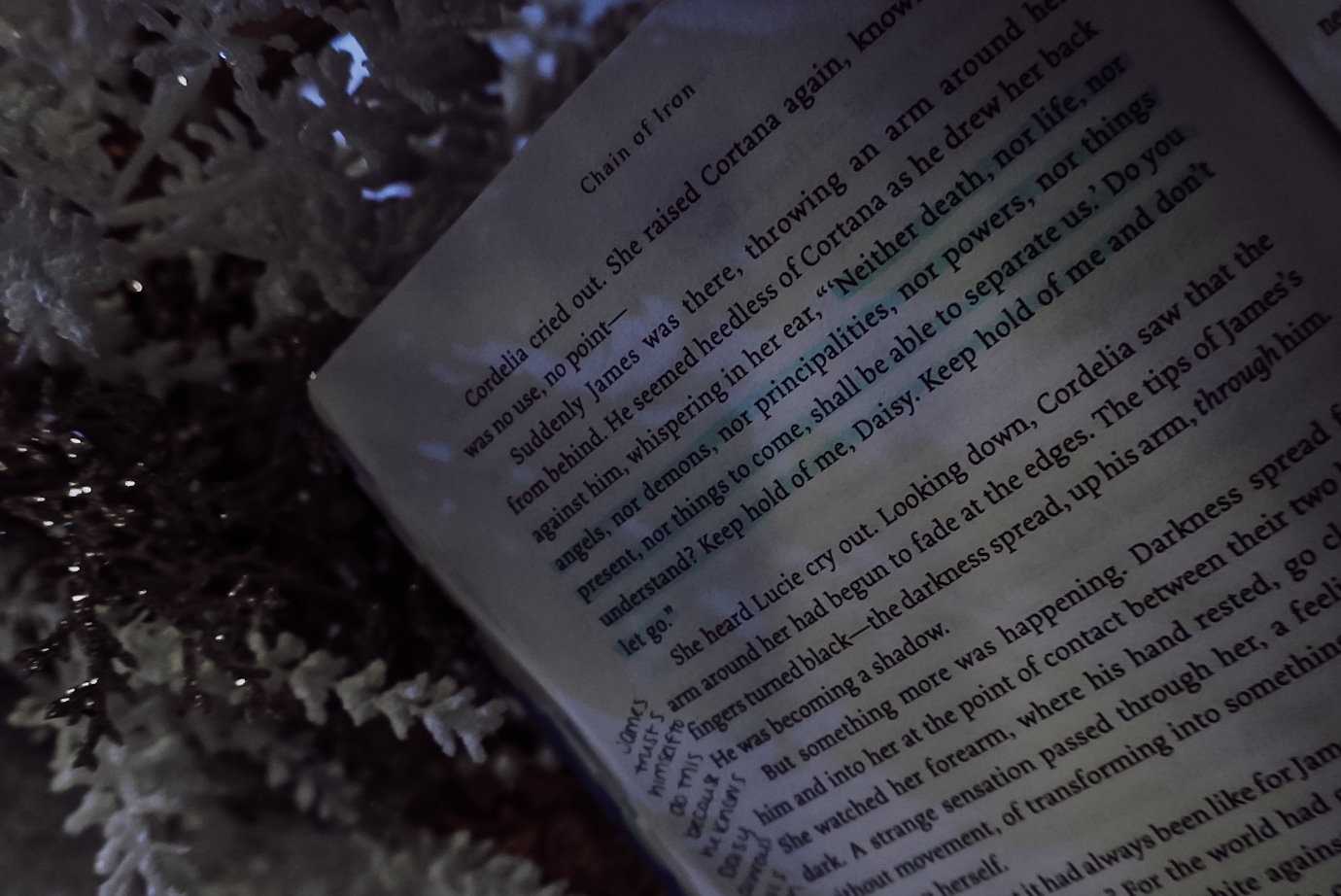
Plus, James asking for the gun from Belial shows how he is coming to terms with his demon heritage as he realizes its benefits, which is solidified when he holds onto Cordelia to pull her into the shadows to strike Belial. This part of him that has caused so much pain can be used to end it. Major turning point for both of our characters as their lives change for both the better and worse.
SO GOOD.
Lilith isn’t gone for good and still has Cordelia under her control, and, with Jesse alive, Belial is more desperate than ever to have James as a host. And there has to be consequences for Lucie RAISING A MAN FROM THE DEAD. RIGHT? RIGHT?
Clare set up a perfect storm for Chain of Thorns, and I can’t believe I have to wait until the fall to see what happens next.
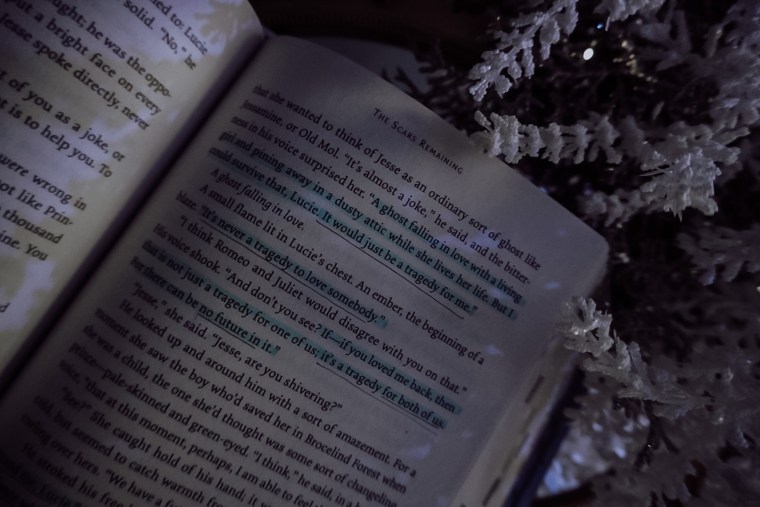
You could say our mains have … Great Expectations … (I’ll see myself out)
There’s so many incredible themes throughout Chain of Iron from the weight of privilege and class to secrecy and miscommunication, but my favorite by far was the romanticization of the unknown.
Our group of protagonists have all been sheltered from the world in a variety of ways by their different upbringings, leaving them vulnerable to idealization and the harshness of reality. In return, these Shadowhunters are naive and have unrealistic expectations, along with a lack of understanding for the consequences of their actions.
On a less drastic scale than others, Lucie and Cordelia romanticize the parabatai bond and how it would make them closer. When you think about it, all Nephilim romanticize the parabatai. The Infernal Devices is pretty much a love letter to that bond. But that romanticization has a greater effect in TLH because of the lack of base chemistry between the two girls.
When Cordelia watches Matthew shake James awake from a vision of a murder, she thinks:
“Dear God, if only she and Lucie could become parabatai, she hoped they would love each other nearly as much.” (384)
From everything I’ve gathered about parabatai throughout my journey through The Shadowhunters Chronicles, the bond is essentially nothing more than an oath between two people who already love each other. It’s a way to solidify the bond they share, not create one. This was a huge message in both TID and The Dark Artifices. Jem always made sure that Will knew that their bond simply signified the love they already shared as brothers, and Emma and Julian still loved each other after their bond was severed.
The fact that Cordelia says she hopes she and Lucie would love each other after the ceremony speaks volumes to their relationship.
Think about it, what do we really know about their friendship? We know they shared letters and Lucie sent chapters of The Beautiful Cordelia, James told Grace the story of how Cordelia saved Lucie from falling off a cliff, and what else?
Matthew and James always ooze affection for each other, even when they’re upset. It’s such an impactful force they share that other characters make note of it. Nothing ever made me question whether those two were meant to be parabatai … even the ending of Chain of Iron.
Add all that to the fact Lucie and Cordelia don’t really tell each other anything and we never see them fight together, and I’ll take a wild guess to say Clare is setting us up for them not to become parabatai after all. I wouldn’t even be mad about it, except I feel like Clare doesn’t do female parabatai justice. We only have one other example of an all female parabatai duo, which came in a novella collection and one girl got murdered in the very next series without readers getting any more details.
I honestly think Lucie saw the bond Matthew and James shared, saw how Jem had changed Will so profoundly, and decided she needed a parabatai, as well. Lucie romanticizes life as it is due to her obsession with stories, so it wouldn’t surprise me if she decided on being parabatai simply because it satisfied her need to turn reality into fiction.
If you haven’t noticed, I still don’t like Lucie. However, I appreciate her saving my baby Jesse, which makes her my favorite necromancer (sorry, Ty).
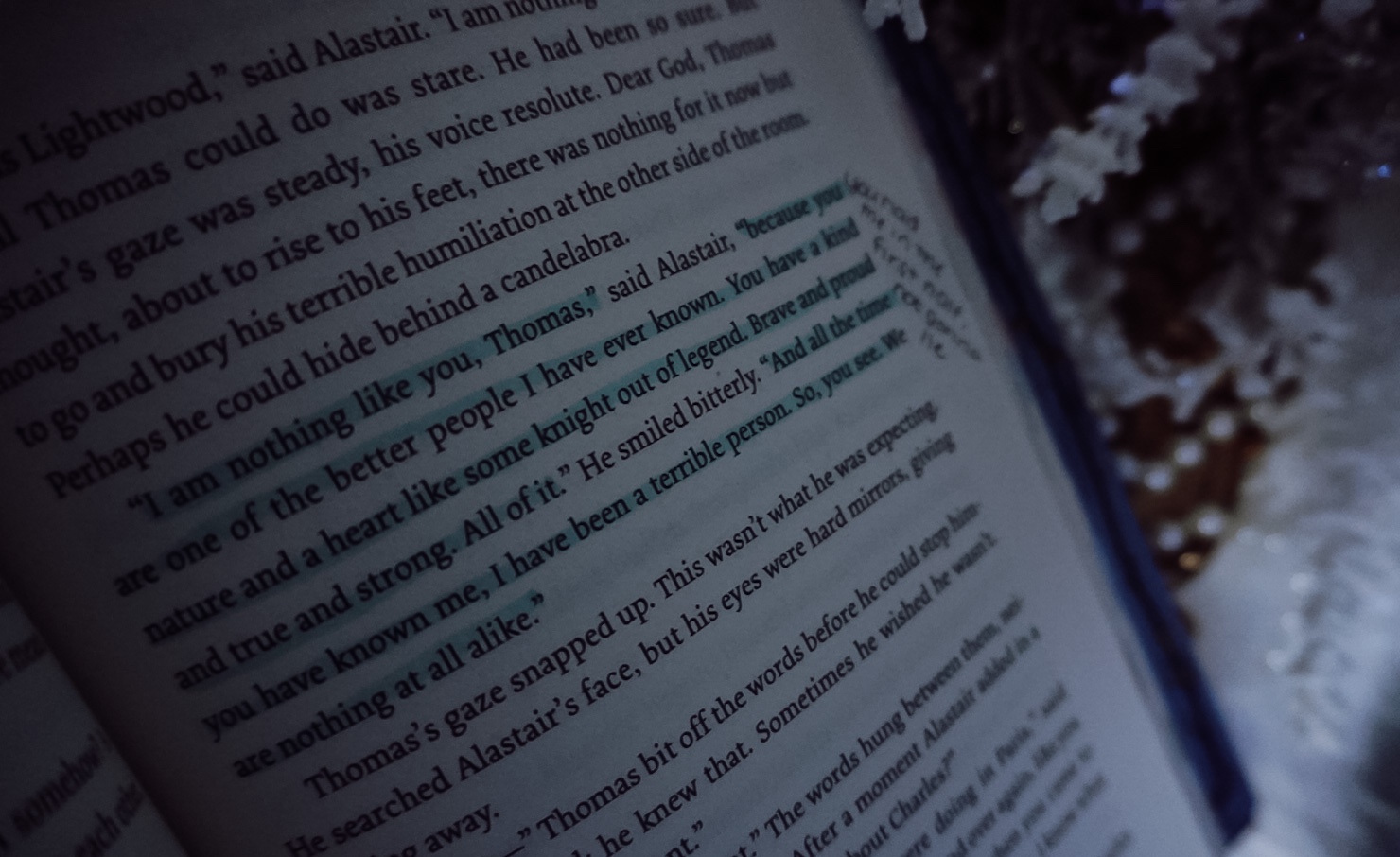
On another scale, we see Alastair admit to romanticizing the upbringing of Thomas and the Merry Thieves that allowed them to be kind when he was pulled into cruelty to survive.
“You always understood other people so well. I think I partly hated you for it, for being so kind. I thought, ‘He must have so much, to be able to be so generous.’ AndI thought I had nothing. It never occurred to me that you had secrets too.” (474)
Readers know that both Cordelia and Alastair have felt so alone throughout their lives because of the isolation they faced due to their father’s addiction. Alastair even stresses to Cordelia in Chain of Gold that the Merry Thieves are not alone, while they only have each other. While Cordelia finds herself wrapped in the loving arms of friends at the end of Chain of Iron — a realization that brings her to tears as James told her they’d never leave her alone —, Alastair believes himself unworthy of this romanticized idea of friendship or love or togetherness.
After the battle at the Institute against Leviathan, Thomas was taken aside by his family and friends before he could check on Alastair, which impacted the man a great deal. I think it was a reminder that despite the moment they shared in the Sanctuary, Alastair was still utterly alone. Because of his past misdeeds, he feels like he’ll never be accepted by the Merry Thieves, nor does he think he deserves their acceptance.
“Tom, you patrolled alone at night because you like things that are dangerous and unhealthy for you. I won’t be one of those things.” (580)
Alastair doesn’t want to cause Thomas further pain by tearing him away from such comfort, because in his mind, friendship is the difference between a life of kindness and generosity and a life of cruelty and contempt. He can’t do that to this man he loves so much. *dies on the spot*
Side note! Well, two side notes! The first is just a cute observation. While waiting for the Mortal Sword in the Sanctuary, Alastair is reading The Prince, which is Niccolo Machiavelli’s 16th century guide on how to be royalty. I read this book in college, and, while devastatingly hard to get through, it’s an interesting read. A massive theme of this book is that you can justify immoral means to achieve the high expectations of being a Prince, which I think is a clever poke at how Alastair views life — specifically how he was cruel to survive the Academy. Just an interesting detail.
But the bigger side note is how alike Alastair and Matthew are despite their clear disdain for each other. Both men harbor secrets that have torn them apart and shattered their innocence. They both confided those secrets in Cordelia. They both have created an aura of unforgiving carelessness that has affected how people create relationships with them, and they both have so much love to give to others but none for themselves. Just as Matthew is always doting after James, we see Alastair pushing Cordelia to not think ill of herself.
I want Math and Alastair to have a heart-to-heart in Chain of Thorns. I want them to sit down and see their similarities, see the pain Math had endured and what led Alastair to act as he had, and to make peace with the other. I think this would be the final step in Matthew’s healing and a way for Alastair to forgive himself and move forward. We’re manifesting *healing energy* for Chain of Thorns, but I guarantee Clare is preparing more pain.
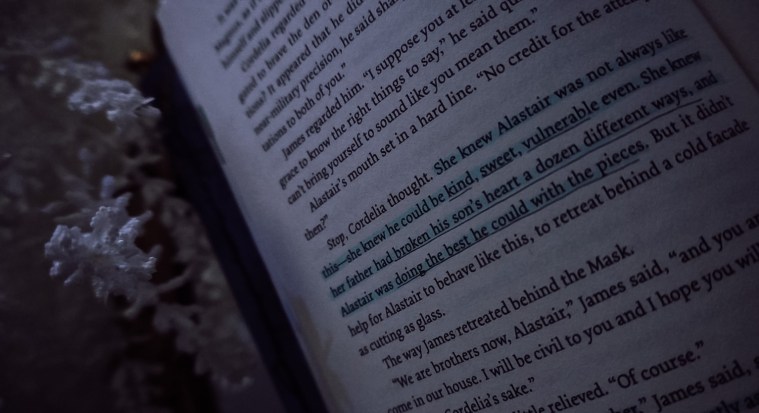
Back to the action.
James and Cordelia treat their fake marriage as a romp. They romanticize a domestic life together with a house for their friends and a year of adventure. Even Cordelia, who thinks James doesn’t share her feelings, takes the betrothal as an opportunity to taste what she never thought she could have.
Cordelia’s viewpoint reminded me a lot of how Celine Montclair agreed to let Valentine Morgenstern force Stephen Herondale to marry her, knowing full well he didn’t love her and never would. Celine would rather have a small part of Stephen than nothing at all.
However, both James and Cordelia have moments where they realize the severity of their actions much too late.
“What would they say when he and Cordelia divorced in a year’s time? How would he explain? A picture rose to his mind of his father, striking through James’s marriage runes with a look of devastation on his face.” (66)
“But she knew now, looking at his face — the curves of his mouth, the arch of his eyelashes, sweeping down to hide his thoughts — that she would not walk away at the end of this year unscathed. She was agreeing to have her heart broken.” (86)
This also goes into how these two both romanticize love in different ways.
Will has instilled in James the knowledge that love can be painful and full of suffering, but Will and Tessa have a very unique love story. Will, Tessa and Jem were pained by the sheer amount of love they all felt for each other and the circumstances that made even a happy ending feel like tragedy because all three could not be together at the same time.
In a way, Will taught James to glorify pain as love, which allowed his son to be oblivious to his own manipulation.
“You have always believed love came at a cost. That is was torment and torture and pain. But there should be some joy. There is joy in being with someone you love, even knowing you can never have them, even knowing they never love you back.” (Matthew to James, 417)
James always felt an overwhelming joy and comfort with Cordelia and all the possibilities for a future together, but he felt only despair and misery and mystery when it came to Grace. But, because of his romanticization of love being painful, he associates the misery he feels with affection. Thanks, Will.
On the other end of the spectrum, Sona and Alastair hid the issues with her marriage to Elias to protect Cordelia, giving her this romantic view on love as being uncomplicated and giving. This breakdown of her preconceived views on love turns out to be a major part of her character development as the truth about her parents’ marriage is revealed.
“When I was a girl, I had so many dreams. Dreams of heroism, of glamour, of travel. Layla — what I want for you above all things is that you follow the truth of your dreams. No score, no shame, no part of society’s opinion matters more than that.” (586)
Sona put her wants, dreams and happiness aside because she loved Elias despite his flaws, which is equally as damaging as Will’s preaching on love and pain. We can add another layer to this theme, where Cordelia has always put others above herself because of the romanticization of being the perfect daughter, perfect wife, perfect woman in the eyes of society.
This leads to the ending of Chain of Iron, which tore me to absolute shreds.
When people are hurting, they tend to romanticize what they want to believe will help end their suffering. Cordelia is on a path of rediscovery after the trauma of her father’s murder, her oath to Lilith and James’ supposed infidelity. She’s allowed herself to be put in a box by society and wishes to break free of the safety net she’s been trapped in.
It’s not a coincidence that in her emotional state after seeing James hold Grace she runs to Matthew’s flat.
Cordelia has always envied Matthew’s freedom. Unlike herself, he has rid himself of the expectations of society by living a bohemian lifestyle and built a persona of someone expected to disappoint. Cordelia romanticizes the freedom Matthew has, even though it was founded at the bottom of a bottle to run from his self hatred and guilt.
“He diligently sought out exactly the feeling it provided, of nothing under your feet, of speed and purpose, of noise too loud to think. For perhaps the first time she realized that a small part of her sought it too.” (316)
It’s not like Cordelia doesn’t notice those aspects. I think she just chooses to focus on the sense of freedom Matthew brings, because she’s hurting so profoundly and this is the one thing she can want and have at the moment. She doesn’t know what liberation she can find in Paris and the idea excites her.
“The thought of leaving sodden, heartbreaking London behind made her feel free. Free the way she wanted to be. Free the way Matthew was free.” (641)
In return, Matthew romanticizes Paris. We learned back in CoG, how much Math loves Paris because of its connection to famed, persecuted playwright Oscar Wilde.
Fun fact: Wilde considered Paris the one place he considered home because it was the only place he felt he could be himself after being imprisoned for his sexuality in England.
Another fun fact: Wilde went under the pseudonym Sebastian when he first arrived in Paris.
Matthew is a sucker for the arts, and he had an admiration for Wilde well before the tragic instance with his mother. But the tragedy that bestowed itself upon Math brings him closer to his favorite playwright, who was a well-known libertine that partied and drank and loved as if death was a welcomed friend. Wilde once told a journalist: “In Paris, one can go where one likes, and no one dreams of criticizing one.”
Because Oscar Wilde praised Paris for its healing properties, Matthew believes it can be the end to his own suffering.
“I thought in Paris I might forget. In Paris, one forgets everything.” (640)
“In Paris, I shall be able to forgive all the world.” (643)
Matthew and Cordelia see pieces of who they want to be in each other — from freedom and self expression to innate goodness and kindness. They romanticize what the other can bring them in the pain they feel that they’ve only shared with the other.
“It is natural to believe that you can outrun your miseries. THere have been times I have fled mine halfway across the world. But the truth is that sorrow is fleet and loyal. It will always follow you.” (Magnus to James, 653)
My official stance on Jordelia or Fairstairs? I think Matthew and Cordelia can help each other heal in Paris, but I also believe they’ll realize how they’ve romanticized the other out of a need for comfort and were running from their own misery. I don’t think Clare has the guts to not give a Herondale a happy ending, so Jordelia will be endgame no matter how much chemistry Math and Daisy have.
I also have a sinking suspicion something truly awful is going to happen to Matthew in Chain of Thorns. His personality and backstory is built for tragedy, and I’m not emotionally prepared for that.
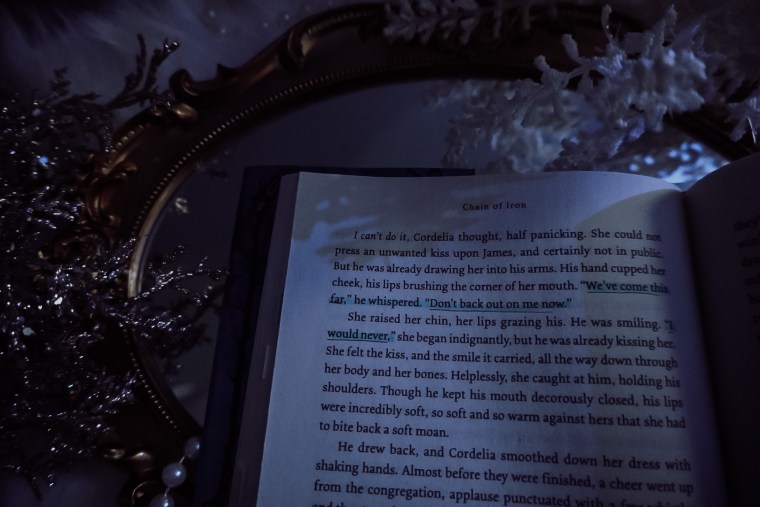
The real villain: miscommunication
Our next major theme? Miscommunication … well, it’s more of a complete lack of communication, but you get the point. I’m going to be real honest, I’ve heard and read so many takes on this theme for The Last Hours, that I simply don’t have the energy to reiterate what an infinite amount of people have already analyzed. I don’t have a different take than every other thought I’ve seen.
However, I recognize it as a very important theme that’s extremely prevalent to the story, so we’ll make this quick.
This group of characters love to just tell anybody anything. Everybody is keeping secrets. They keep their own secrets, they keep each other’s secrets, they keep secrets from each other. THERE’S SO MANY SECRETS.
I got a good laugh out of Will giving James the following advice before his son’s fake wedding:
“Always tell Cordelia what you feel. You may fear what will happen if you speak your heart. You may wish to hide things because you fear hurting others. But secrets have a way of eating at relationships, Jamie. At love, at friendship — they undermine and destroy them until in the end you find you are bitterly alone with the secrets you kept.” (66)
Is this Will sharing an actual life lesson he learned from concealing his supposed curse? Or is this Will having his own suspicions on the marriage much like Sona? I’m going to say it’s the first one, but the second answer is way more fun.
Secrets have already ruined so many of our characters’ lives in some form: Ariadne keeping the secret of her sexuality led to Anna’s irreparable broken heart, the secret of Elias’ alcoholism turned Alastair into a bully and a pessimist which ruined his relationship with Thomas and the Merry Thieves, Matthew’s dark secret of causing his mother’s miscarriage has eaten him alive, Cordelia’s secret love for James had nearly burned her alive, Lucie keeping her ghost-commanding abilities a secret is possibly leading her to be hurt by Malcolm or arrested by the Clave.
These are secrets our character’s hold themselves as individuals or as small pairings. But there are larger secrets that tear at them as a group. They all agree not to tell the Clave about Belial and his connection to James, along with Cordelia swearing herself to Lilith. They’re holding these secrets to protect each other, but they’re starting to pile up like a JENGA tower that’s about to tip.
We do see some breakthrough in communication as this tower starts to lean. Thomas confesses his feelings for Alastair (that Sanctuary kiss was everything!). Ariadne stands up for herself against Anna’s blatant disregard of forgiveness. Matthew tells Cordelia about the truth potion incident and later confesses his love for Daisy. Matthew also lets Cordelia know that he can tell she loves James.
One of the biggest criticisms I’ve seen for The Last Hours is that this theme of miscommunication is unrealistically rampant, but I thought that Clare gave us a good balance. Our characters are sharing the secrets that bind them, and learning the freedom honesty and communication can bring.
By the end of Chain of Iron, James is planning to tell his parents about Belial, but not before he admits his true feelings to Daisy. Chapter 26 is just James making a mental list of all these things he needs to discuss with different people — but everything comes after Daisy.
Only Grace ruins everything, and we’re back at square one. James can’t tell Will about Belial when he’s already so distraught with Lucie being missing. We’re back to keeping secrets for the sake of others.
What I will say about this theme is that it provokes you to question when you believe it’s the right time to keep a secret to protect those you love and when you have to bite the bullet.
For example, I agreed with James’ decision to not tell the whole story of Belial in front of the Inquisitor. It was right for James to wait because of the impact it would have on his family in the eyes of society and the emotional damage it would have on all of them. However, I will hold onto my belief that there was no reason Jem should’ve kept Matthew’s secret of accidentally poisoning his pregnant mother. Jem kept a secret that hurt Matthew for YEARS.
This JENGA tower is toppling in Chain of Thorns as these secrets become unbearably heavy for our characters, and I’M READY FOR IT.
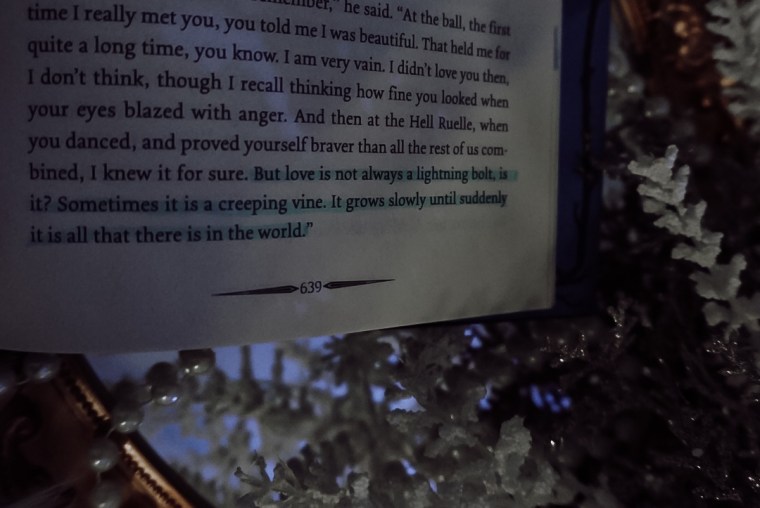
The Smile, the Mask & my broken heart
Time for my spicy take of the day: I enjoyed the unfolding of Matthew and James’ relationship as parabatai better than that of Will and Jem in TID.
With that being said, I will continue to sob at any mention of Will and Jem together and the following quote will live in my mind rent free for the rest of eternity: “If there is a life after this one, let me meet you in it, James Carstairs.”
However, I thought the conflict between James and Matthew was an interesting dynamic between parabatai. They bicker and fight and butt heads, but you can always tell that their relationship has a solid foundation of love and respect.
Will and Jem bickered, but they leaned on each other so exclusively and knew their time together was limited due to Jem’s addiction, not leaving much room for that type of conflict. We truly only get one moment between Will and Jem where they have an honest fight, and it’s when Jem hits Will outside the infret den (which is probably my favorite Jem moment ever).
There are some similarities between James/Matthew and Will/Jem. Will believed he was cursed, while his son thinks he’s damned because of his demon blood — though James actively pushes against it, and Will leaned into it. Both did so for the sake of the ones they love most.
Jem was bound by his addiction to YinFen that was killing him slowly and painfully. Matthew is addicted to alcohol, which will eventually get him killed whether he wants to admit it or not. Despite his many reasons to feel scorned and bitter, Jem always chose kindness and understanding, while Matthew built a mirage of cruelty to hide his pain behind.
Math has a similar personality to *cursed* Will, and James is soft and sweet like Jem.
But James and Math don’t have that same time constraint or dependency on each other, allowing them to share a more realistic version of friendship despite the title of parabatai.
At James’ bachelor party, Math expresses his concern for what this marriage will do to Cordelia emotionally.
“We worry that you are too honest — too good, and goodness can be a blade sharp enough to cut, you know, just as much as evil intent.” (43)
It’s mentioned right before this argument that James and Math hardly ever fought prior to this moment, which helps Clare establish a few things: these boys have never been put in a position where they were forced to address their issues with the other, that Cordelia is a point of interest for Matthew’s innate need to protect, and that Matthew also feels hurt by James’ intrinsic goodness.
We see these three points expressed throughout Chain of Gold as tension rises between Math and Jamie.
At the Shadow Market, Matthew tries to tell James that Grace has only caused him misery and now that misery is affecting Cordelia in their marriage. But James doesn’t want to believe it, so he snaps on Math.
“‘Look at me and tell me there is someone you love more than that bottle in your hand.’ Matthew had gone very white. James realized with a distant dismay that he had broken a pact between them, unspoken, that he would not speak to Matthew about his drinking. That if it remained unmentioned, it might vanish.” (418)
In this scene, Math and Jamie both cross the invisible lines they drew for their friendship — James’ relationship with Grace and Mathew’s drinking. I thought that Math reaching out at this moment could’ve been a way for James to finally extract what has been dragging his parabatai into the shadows all these years. If James was honest with Matthew, he may have felt more comfortable being honest himself.
Instead, James creates a rift between them by telling Matthew what he always believes about himself — that nobody will take him seriously in love or life.
Throughout all of it, these two still share a very tender lover for each other. After their first argument at the bachelor party, James turns into a shadow and Matthew pulls him into a desperate hug afterward because he was so terrified that he lost his parabatai. Then, at the Shadow Market, Matthew tells Cordelia he broke the wine bottle and James kindly brought him to the alley to clean his wounds, so that Daisy wouldn’t know they were fighting or what James had said to him. Even when they’re angry with each other, Math doesn’t want Cordelia to see James in a negative light, because he knows she loves him.
And James repeatedly shares his desire to know what plagues his parabatai’s conscience.
“I have never seen darkness in you.”
“Nor have I known you to make such grave mistakes as you say. But if you did, you know that I would do all I could to help you fix them.”
“I know you would try.” (595)
James also reminds Matthew that he is loved by his parabatai.
“All I want for you, Math, is that you love yourself as much as I love you.” (249)
However, it’s this very love that drives Matthew to the brink. He has worked so hard to make sure James always saw the best in himself, and, in doing so, he forgot who he was when you take the flask out of his hand and the burden off his heart.
“I took an oath to stand by James’s side. And I love him — he has always been all the things that I am not. Honest where I am not. Brave where I am a coward.” (638)
I don’t think it’s a coincidence that Math decided to beat feet to Paris just as everyone began seeing past the Smile. His own mask was crumbling as he watched James realize his feelings for Cordelia, and he needed a way out.
With Cordelia seeking her own freedom, Paris now offers Matthew an escape from the reminder of what he believes he is not and an opportunity to be who Cordelia believes he is.
On top of all this, we see James realize that it would be cruel to stop Matthew and Cordelia’s excursion when he has to leave to help his father track down Lucie (thanks, Lucie). He can’t hinder the happiness he sees in them as they laugh together through the window of the train. So, he puts his own feelings aside.
“James had never imagined that the hardest thing he would ever do in his life was nothing at all.”
I really enjoyed how Clare put together this storyline. I was so worried that it would turn into TID pt. 2. However, I think Clare did a really great job at focusing on the relationship between these two boys and the individual relationship they have with Cordelia rather than swinging for the fences with the tragic love triangle trope she already did so well.
More than I care about the possibilities of Jordelia and Fairstairs, I hope all three of these people can heal and find peace with each other and within themselves.
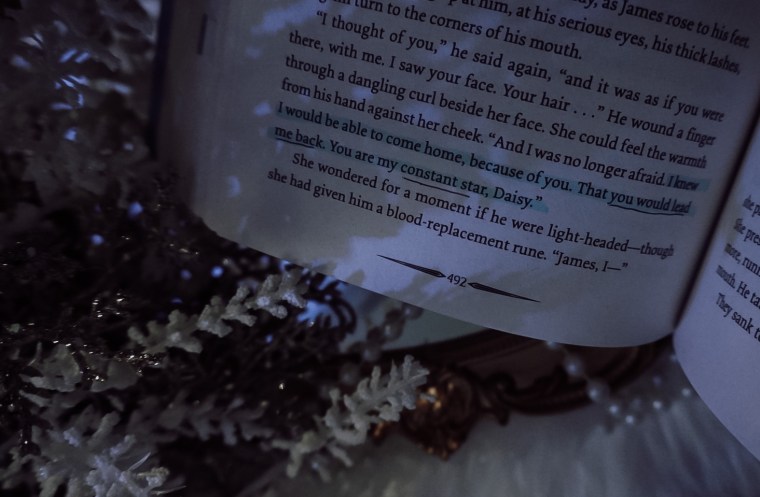
Going off that, something I thought was clever was Cordelia’s observation of James’ Mask and Matthew’s Smile and how it affects her relationship with both boys.
The Mask was established in Chain of Gold as how Cordelia described the way James would sort of restrain his true feelings as if holding back. As readers, we know this is the bracelet’s magic working on James.
I think the best example of how the Mask affects James and Cordelia is in the Silent City after Elias is murdered. Cordelia is grieving, and, in her grief, she sort of blames James for her father’s murder because he didn’t give the man money the night before.
“Something flickered in James’s eyes. Anger. She had never seen those golden eyes furious before, not at her. She felt a sick sort of gladness.” … “She glanced over at James, wondering if the traces of their argument would show in his eyes. But he was expressionless, the Mask firmly in place.” (278-279)
Because of the Mask, Cordelia relishes in those moments it slips and she can see what James is truly feeling. She desperately wants to be able to read him, because she feels like she can be so easily read and feels unequal in her position. The Mask makes Cordelia feel as if she needs to fight for power over her situation.
We see it in the above moment, and we see it again when Cordelia asks James to teach her to kiss after James admits to kissing Grace.
“He might not love her, but from the moment she had asked him to kiss her — to teach her — he had desired her, and she had felt powerful. … She would demand a kiss, demand that he show his desire. They could not always be on unequal footing. … In desire they could be on equal footing, but in the matter of love, they were not.” (382-383)
It’s because of this moment and the Mask that Cordelia believes James’ reaction is lust not love, which translates to the end of the book where they kiss in the study and James is about to admit his love, but Cordelia pushes him away. Through her grief and self doubt, Cordelia has lost that fighting edge for equal footing and is choosing not to allow herself to be hurt in chasing the need to see the Mask slip. She is already hurt enough, and she has control over whether or not she allows herself to be burned by her own love.
Also, James repeatedly putting his foot in his mouth doesn’t help the situation any. Turns out, without the bracelet keeping his emotions at bay, he’s a bumbling idiot … respectfully.
While the Mask concealed and manipulated his emotions, it also allowed James to appear the way people wanted him to appear. Cordelia notices the Mask “firmly in place” the most when people are looking to James for a response of politeness, contentedness, reassurance, etc. — i.e. after he speaks to Grace at Rosamund and Thoby’s engagement party, when he’s amusing Elias’ tales of heroism at dinner, after the spat with Matthew at the Shadow Market, etc.
When the Mask slips, we see other character’s shocked to see James so outwardly expressive — most notably, when James kicked the chair at the end of Chain of Gold and his parents were SHOOK. But we also see Matthew notice that the Mask is gone after the battle with Belial and Lilith by the way James held onto Cordelia.
The Mask became a suit of armor, as Cordelia describes it, for James against judgment, and it allows James the perception of being a perfect gentleman.
While the Mask allows for James to be manipulated into what society expects him to be, the Smile is Matthew’s way to manipulate the world to accept who he is.
“A pair of breakfasting old ladies stared disapprovingly at their somewhat disheveled motoring outfits. Mathew deployed the Smile at them, causing them to flutter like alarmed sparrows.”
Unlike the Mask being a useful but undeliberate tool for James, I saw the Smile as an active performance on Math’s part. He knew he could get what he wanted by deploying the Smile, but he didn’t know that it could hurt people who see it as more than just a ruse. James unawarely uses the Mask as a shield, while Matthew uses the Smile as a sword he didn’t know was sharpened.
However, both the Smile and the Mask prevented Cordelia from seeing how these two boys felt about her.
“She hoped the girl understood that Matthew’s flirtation was only a game, a mask he wore without thinking of it. It should never be taken seriously.” (318)
The Smile made it so Cordelia thought Matthew was treating her as he treated everyone and that he was someone to be wary of because of his negligence in toying with emotions.
But Math does what James never got the chance to do … COMMUNICATE, and it made all the difference. That’s why he was on a train to Paris with Cordelia and James was left watching said train leave the station without him. Better luck next time, champ.
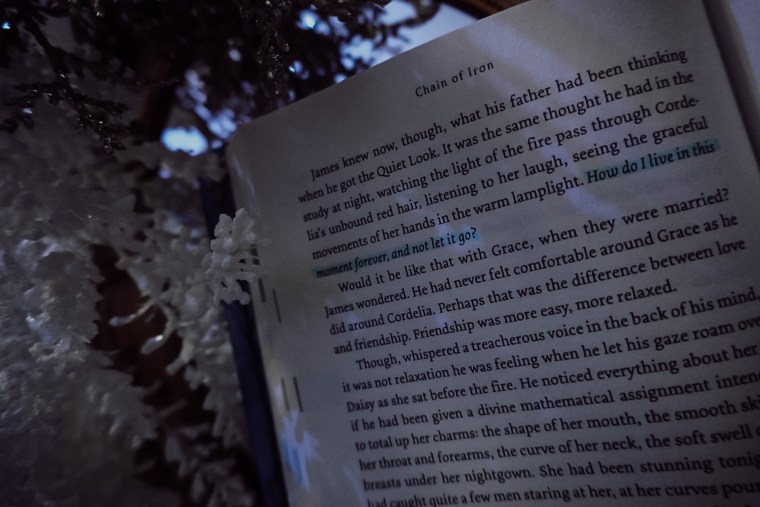
Saving Grace
How can people still hate Grace after Chain of Iron? I simply don’t understand.
Grace is still lumped into our group of protagonists because of her position as a puppet for her mother’s ill intentions, but, that’s just it, she’s a puppet and not an active participant. She’s not out here scheming ways to ruin James’ life, she’s being coerced into doing her mother’s evil bidding even when she doesn’t want to.
OK, I’m getting ahead of myself.
Instead of the “Days Past” chapters sported in Chain of Gold, readers are blessed with “Grace” chapters in CoI that detail the life of one Grace Blackthorn. Once again, these chapters were very short and give necessary context to Grace’s upbringing without tearing readers away from the action for too long.
Clare has a problem with fleshing out antagonists.
She either doesn’t do it enough to the point that I don’t care about them (Axel Mortmain & Valentine Morgenstern) or she sets them up for a tremendous arc only to kill them off before they reach their full potential (Annabel Blackthorn & Malcolm Fade). Sometimes she just turns the antagonist into something silly and absurd that tears away their villainous edge (Shinyun Jung).
I thought TLH was a major redemption for Clare in writing antagonists, because she doesn’t have any of the villains she set up in CoG exit abruptly and she also takes the time to work through their origins.
In this case, Clare puts the effort into showing Grace’s side of the story.
There’s the famous saying that history is written by the victors. In the Shadowhunter universe, history is written by the Herondales, the Lightwoods, the Fairchilds … If James were to write the events of TLH as an autobiography, Grace would undoubtedly be a villain without contest, especially by the way things end at the end of CoI. That’s what Chain of Gold was. It showed a very one-sided view of events, where our protagonists in the good graces of society were painted as victims of those seen as outsiders.
But there’s always two sides to history, and Clare presents that in CoI.
These “Grace” chapters fulfills three essential jobs for readers: they show Grace’s upbringing with Tatiana, it establishes the bond between Jesse and Grace that has made the girl so desperate to resurrect her brother, and it allows for readers to sympathize with Grace as we learn how hurting James hurt her, as well.
Grace was bought, not adopted, by Tatiana after the Cartwrights were killed for the specific purpose of being turned into a weapon. Tatiana taught her to be cold, manipulative and cruel. She taught her that she had to be all of these things because the world would always work against her.
“My child, as a woman, you will be at a disadvantage in this cruel world. If you marry, your husband will own everything and you nothing. Your very name will go away in favor of his.” (238)
“If ever I am able to teach you anything, let it be that you must steel your nerve. The world is hard, and it will work to destroy you. That is the nature of things.” (458)
The part of Grace’s backstory that really resonated with me was just how much love Grace had to give as a child. She wanted to love Tatiana, even if Tatiana didn’t love her. She was a child — a child used by a sick woman full of bitterness to get revenge against those she believed wronged her.
“Tatiana did not want Grace’s love. She wanted only her loyalty.” (56)
Through this, readers are shown Grace’s own inner thoughts as Tatiana has her enchanted and trained to use her power. And, because Grace is starved for affection, she sees that Tatiana is pleased with her progress and finds satisfaction in finally making her mother proud the way Jesse did without even trying. She was essentially conditioned by her mother to be her blade. It’s just downright upsetting.
I also thought it was very impactful to see how Grace was pained by James loving her because she knew it wasn’t real. It shows how she knew it was wrong to trick James, yet all she wanted was to please this woman who adopted her and who she felt she owed her life to. As much as the enchantment hurt James, it had equal ill effects on Grace.
“…just as it was a torment to love, it might be a torment to be loved. To be loved, and to know it was not real.” (75)
All Grace wants is to be loved truly and honestly — not romantically, but just in the general sense. She reminds me of Jace Herondale, in that way. Jace gave us the iconic quote, “that to love is to destroy, and to be loved is to be the one destroyed.” However, we learned throughout his journey how fearful he was to lose the love the Lightwoods so graciously gave him. Everything Jace did was so that he could feel as if he deserved that affection — perfect son, perfect warrior, etc.
Grace goes through a very similar arc. The one source of affection Grace has is Jesse, which is why she’s so hell bent on bringing him back from the dead and why she reasons with herself that she needs to go along with her mother’s plans.
In the house of horrors that Blackthorn Manor had become, Jesse made sure to give his little sister the love she both wanted and deserved. He read her stories, brushed her hair and even secretly trained her to be a Shadowhunter behind Tatiana’s back. Grace recognized what turned their mother into a shell of spite and pettiness, and clung to the warmth Jesse brought both as a living person and as a ghost.
“Apart they might fall into the same pit that had claimed their mother; together they might even thrive.” (57)
Grace is afraid to lose that love completely. She believes all her problems will disappear if Jesse is alive again, so she manipulates James and she puts her differences aside to work with Lucie behind Tatiana’s back. I also adore that Grace loves Jesse so much that she can see how he cares for Lucie and trusts the Herondale because of it.
My heart shattered when Lucie realized that Grace admits that she saw the blood on Jesse’s clothes and thought her necromancy was working.
At the end of Chain of Iron, Grace rebels against her mother. She has seen the goodness in these people Tatiana had convinced her were villains and she is now aware that helping Jesse is not her mother’s main priority. Tatiana doesn’t just want Jesse to be alive, she wants his loyalty just as she had Grace’s loyalty. She even goes as far as telling Grace to let Lucie and Malcolm raise Jesse and then seduce him with her enchantment powers to bring him home.
That’s where Grace decides to remove herself from the situation, and I respect that.
It also says a lot that Grace goes straight to James when deciding to go against her mother’s plans. Yes, she assumes he’s still under the control of the bracelet, but I also got the sense that she truly trusts and thinks of James as someone who can and will help her. I think this way solely because James was kind to her even before she put the bracelet on him, and I believe Grace holds onto that since so few people have shown her kindness without the help of magic.
Only James doesn’t have the bracelet on, and Grace throwing herself at him was not the way to ask for protection from Belial and Tatiana.
“I know no other way to ask for help.” (621)
Oof. Guys. That is THE quote that hit me the hardest in CoI. Grace is so quiet as she says it, and I got the inclination she was saying more as a realization for herself rather than an excuse for James. After everything that has happened, she’s finally understanding all these awful things she’s done at the hands of her mother, and it’s devastating.
Grace knows she did wrong by James and hurt him tremendously, which is why she allows him to unload all of his grievances on her. And I think James needed to have that release, as well. He deserved to voice the pain he endured.
“I’ve only been half-alive since I was fourteen. You have not just made me think that I loved you, you have subsumed my will over and over until I no longer know who I am.” (621)
While James is rightfully angry, he still sees that Grace was manipulated, as well, and says he’ll protect her through the Clave but not as a friend. And Grace doesn’t argue because she can’t. “I have nowhere to go,” she tells James when he says he’s summoning the Silent Brothers.
I am so relieved and excited that Clare really took the time to dig into Grace’s backstory and develop her as a character — not just as an antagonist but as a person. Her story arc is tragically unique, and she’s only starting the journey of figuring out who she really is outside of her mother’s control. I feel like Clare can really push a redemption arc for her in Chain of Thorns. (Grace and Kit had a lot of … chemistry …)
However, I do think she’ll give James the ole slip before the Silent Brothers can take her away. She doesn’t know that Lucie resurrected Jesse, so Grace has to be desperate to meet up with Malcolm and Lucie to get that black magic going.
The main thing I want to see from Grace in Chain of Thorns is for her to be the one to stop Tatiana. Grace and Jesse should team up to strike their mother down. *crosses fingers*
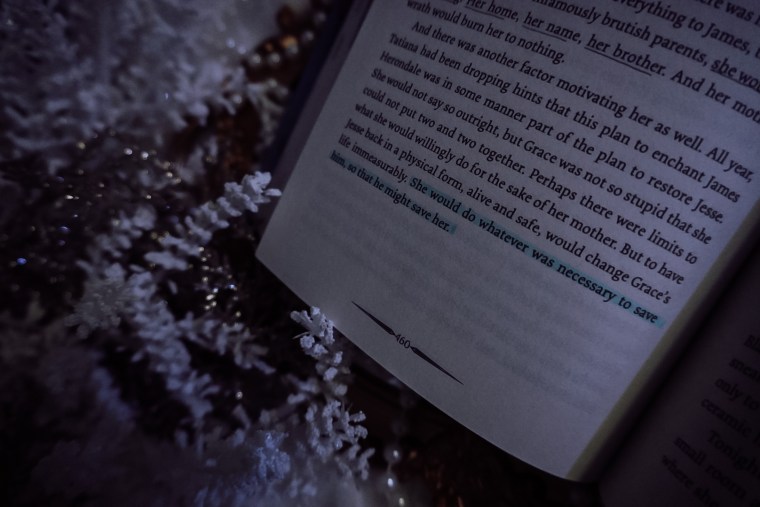
Overall thoughts
Chain of Iron feels like a dagger to the heart.
While the pacing is slow to start and the plot gets cluttered toward the end, Clare still crafted a sequel to Chain of Gold that is equal parts fascinating and frustrating.
CoI is a fantasy book where fantasy takes a backseat to allow the themes of class, privilege, wealth and reputation, that are typically associated with historical period dramas, to shine through. Our Edwardian Shadowhunters’ world is no longer the one they grew up in, and their sheltered upbringings have made all adversity feel like never-ending suffering that can only be ended through romanticized solutions that will just hurt them more in the long run.
It’s a story of losing oneself and the path to rediscovery, of dark magic and what draws people to it, of manipulation and miscommunication, of heartache and hate, of love and friendship, and of murder and mystery.
The characters are all so chaotic, unique and borderline feral. The array of villains range from ones that pull sympathy and understanding to ones that are so casually all-powerful that it’s terrifying. The final battle left me breathless and embarrassingly squealing. The ending is a cliffhanger that had me in tears, but excited for the endless possibilities it brings for the final book of this series.
Chain of Iron is essentially the setting of a chess board, but I don’t want to wait until November to know who captures the king.
A solid 4.5 necromancers out of 5.

 Life of Bry
Leave a comment